The sky is now part of the perimeter.
Know what is in your airspace, and whether it matters.
Why · How · What
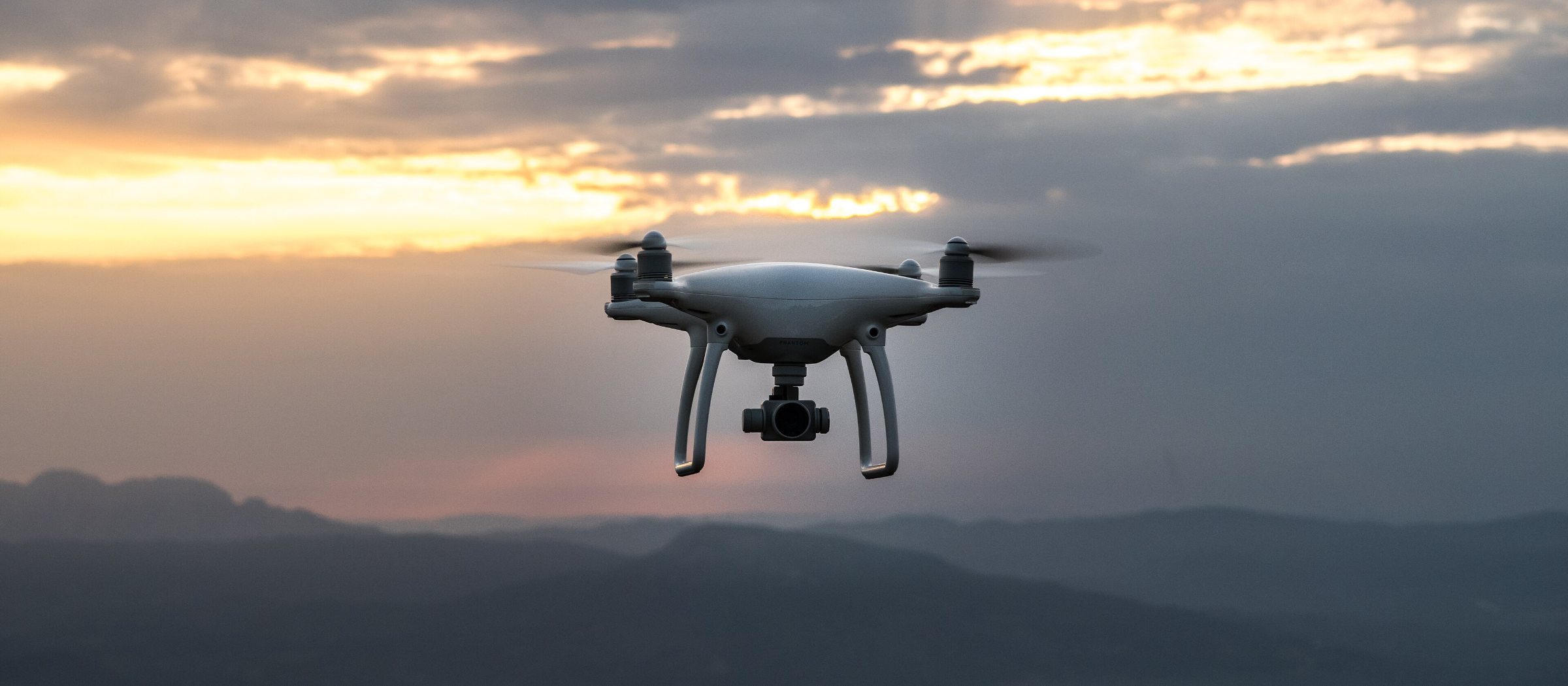
A drone costs little. What it can disrupt does not.
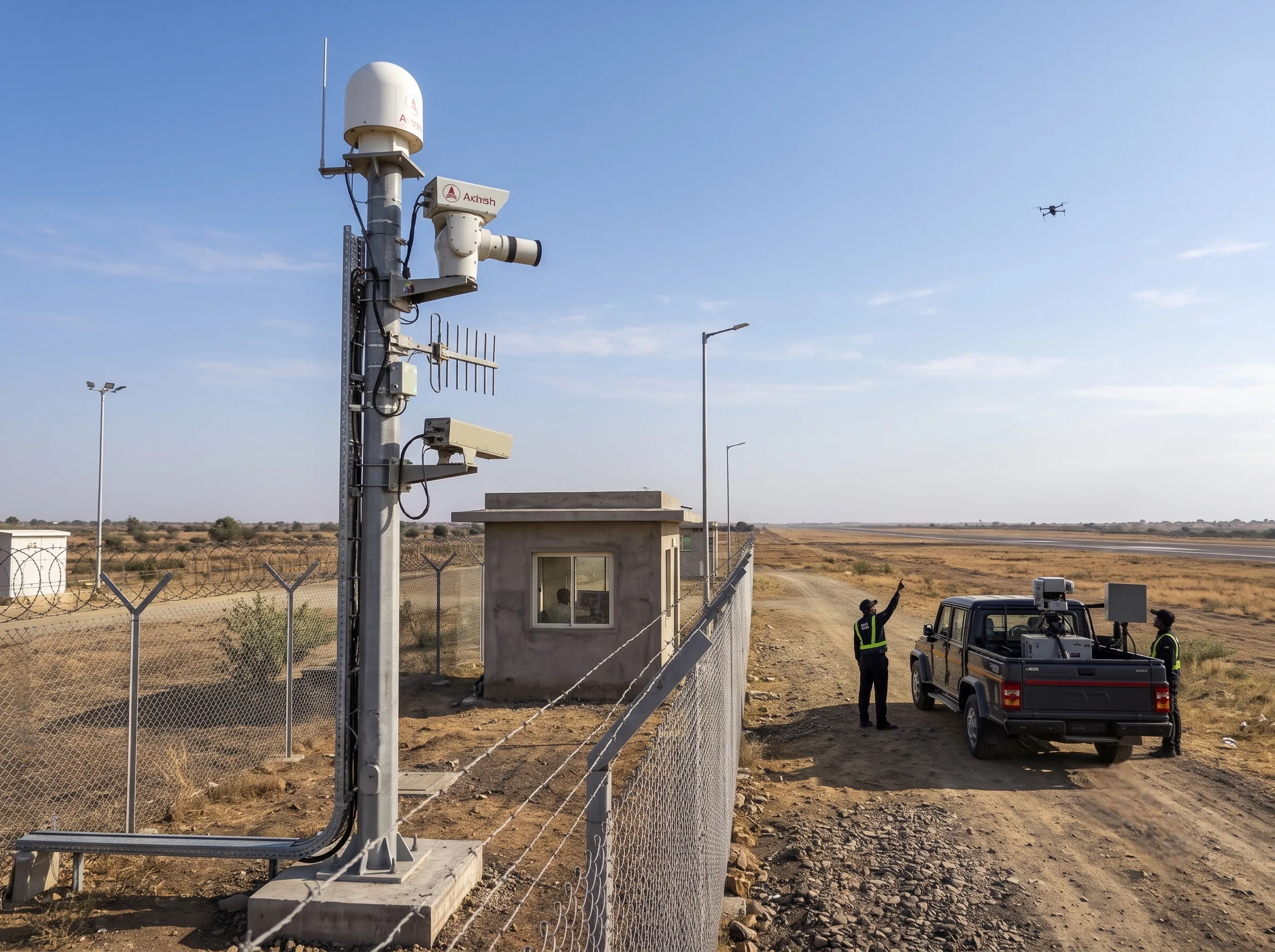
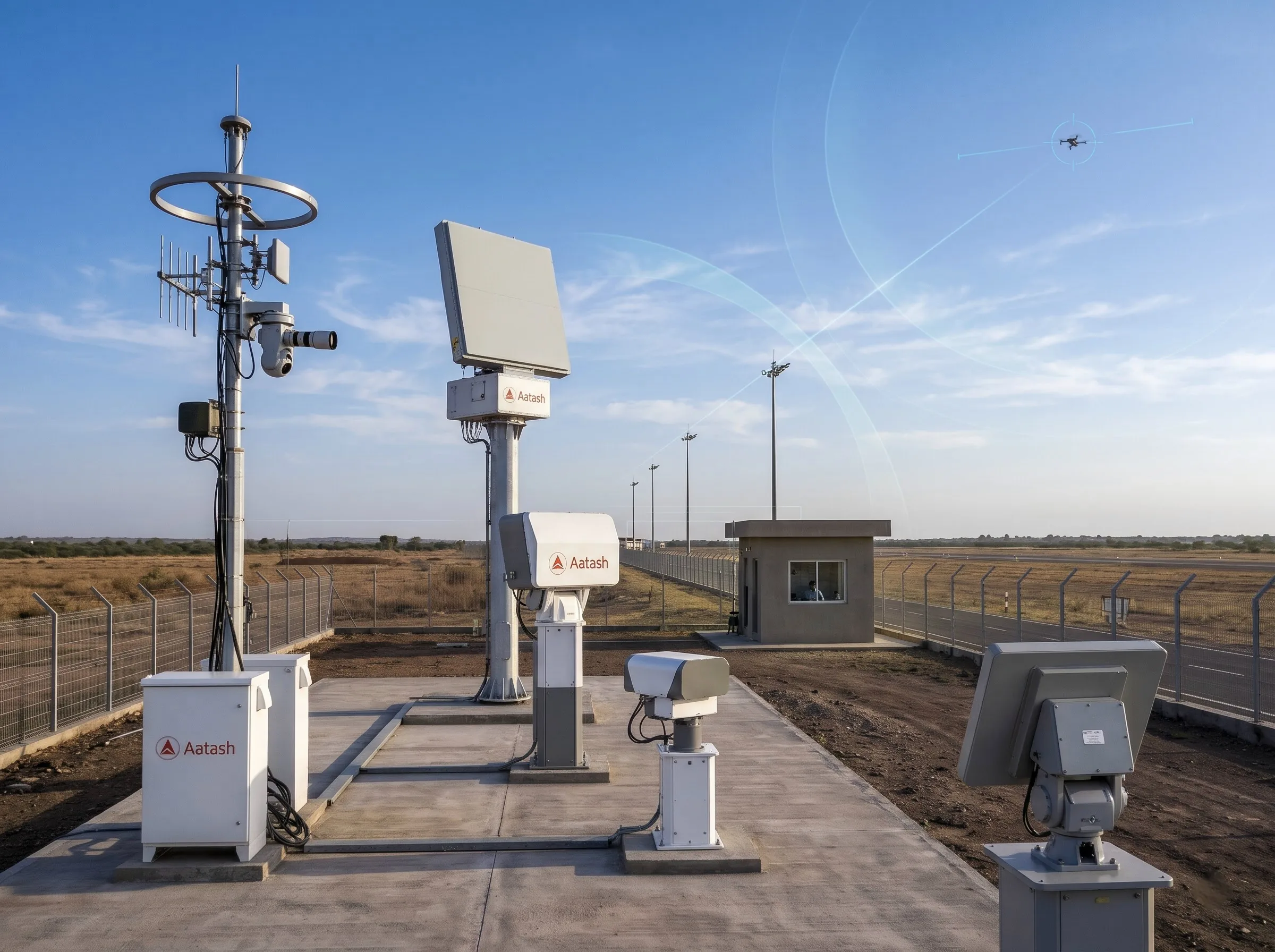
Detect, then assess, before any decision to respond, airspace awareness inside the site's existing security picture, and drone-detection radar, RF sensing, EO/IR and acoustics, layered
Layered radar, RF, electro-optic and acoustic detection, fused into the site's security picture.
The questions that matter
Is something in my airspace right now?
Is it a toy, a survey flight or a threat?
What am I authorised to do about it, and do I have time?
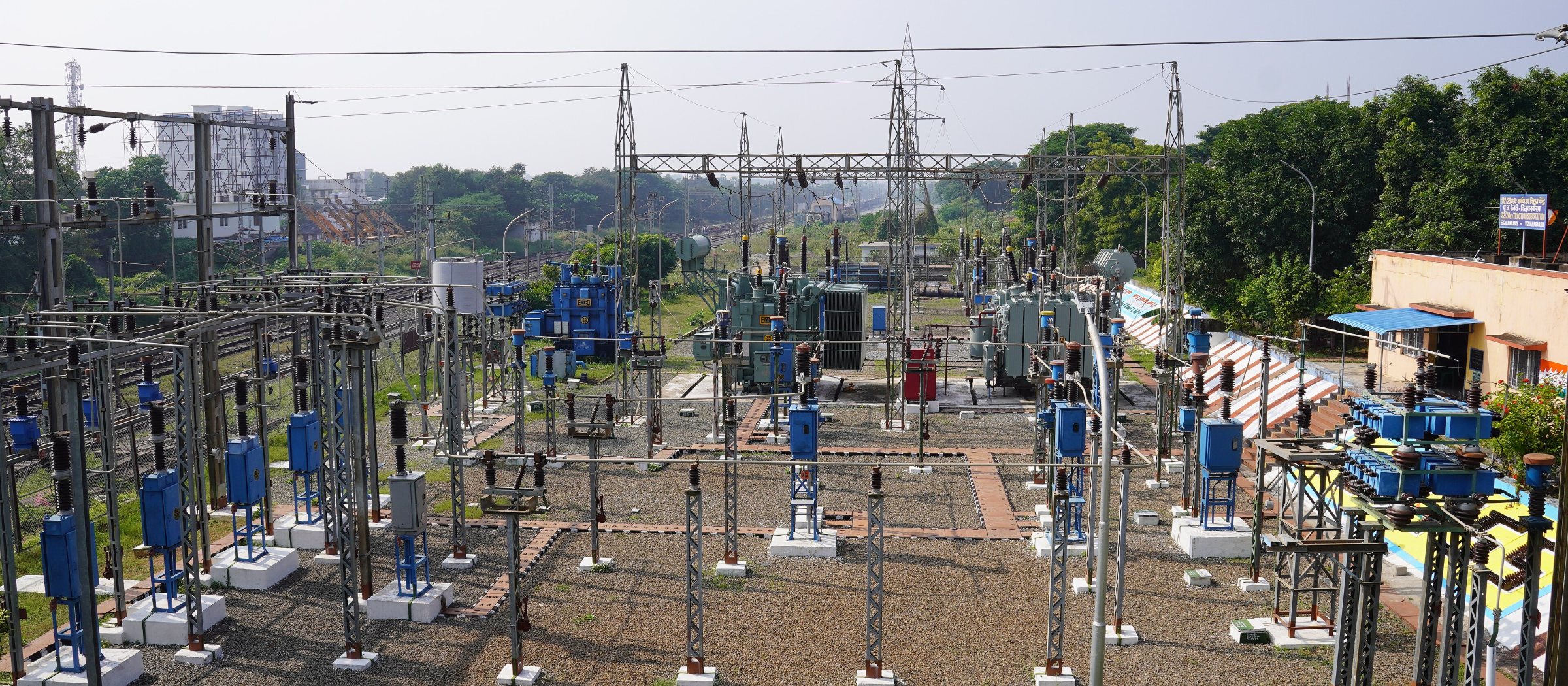
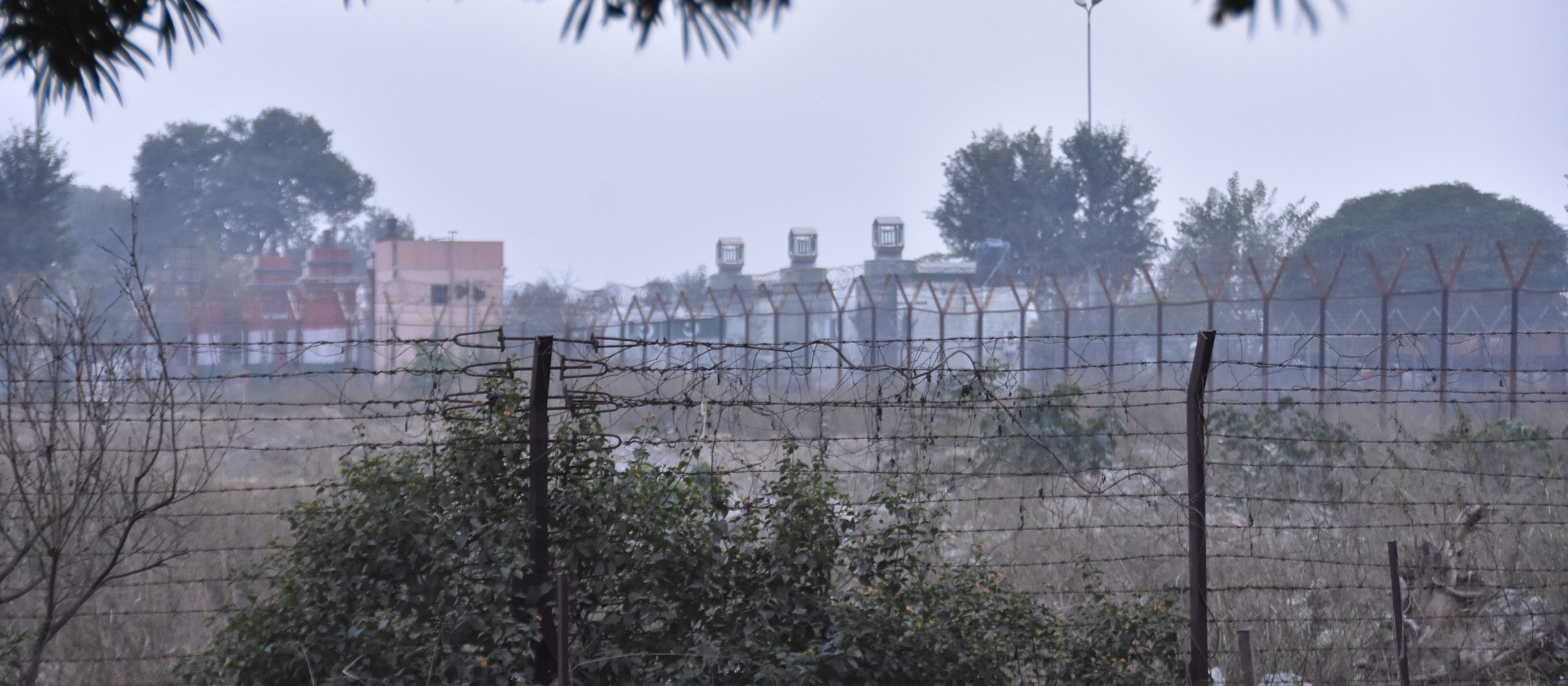
Small drones are cheap, quiet and easy to fly, and they ignore fences. Airports, refineries, ports, military bases and border areas now face surveillance, smuggling and attack from the air, by aircraft that conventional air-defence sensors were never designed to see.
Detection and response are separate decisions. We build the assessment that must come between them. Aatash integrates layered counter-UAS protection into the same operational picture that protects the perimeter and the waterfront. The operator sees ground, sea and air in one place and responds from one console. Aatash has access to global counter-UAS technologies and engineers them for India-specific needs.
Capability
Aatash has access to global counter-UAS technologies and engineers them for India-specific needs.
The result is a layered counter-UAS solution: integrated RF detection and communication-protocol analysis, drone-detection radars of varied ranges, and soft-kill and hard-kill measures. Drone detection joins the same operational picture as one more sensor layer.
Airspace Priorities
Small, slow, low-flying targets against ground clutter.
Telling a drone from a bird, and a threat from a hobbyist.
Proportionate, lawful and fast enough to matter.
Airspace security must work with the site's existing security, not beside it.
What Aatash offers