Where trade meets the sea, nothing should move unseen.
One complete picture of the port's waters, and the means to act on it.
Why · How · What
A port earns its reputation one safe arrival at a time.
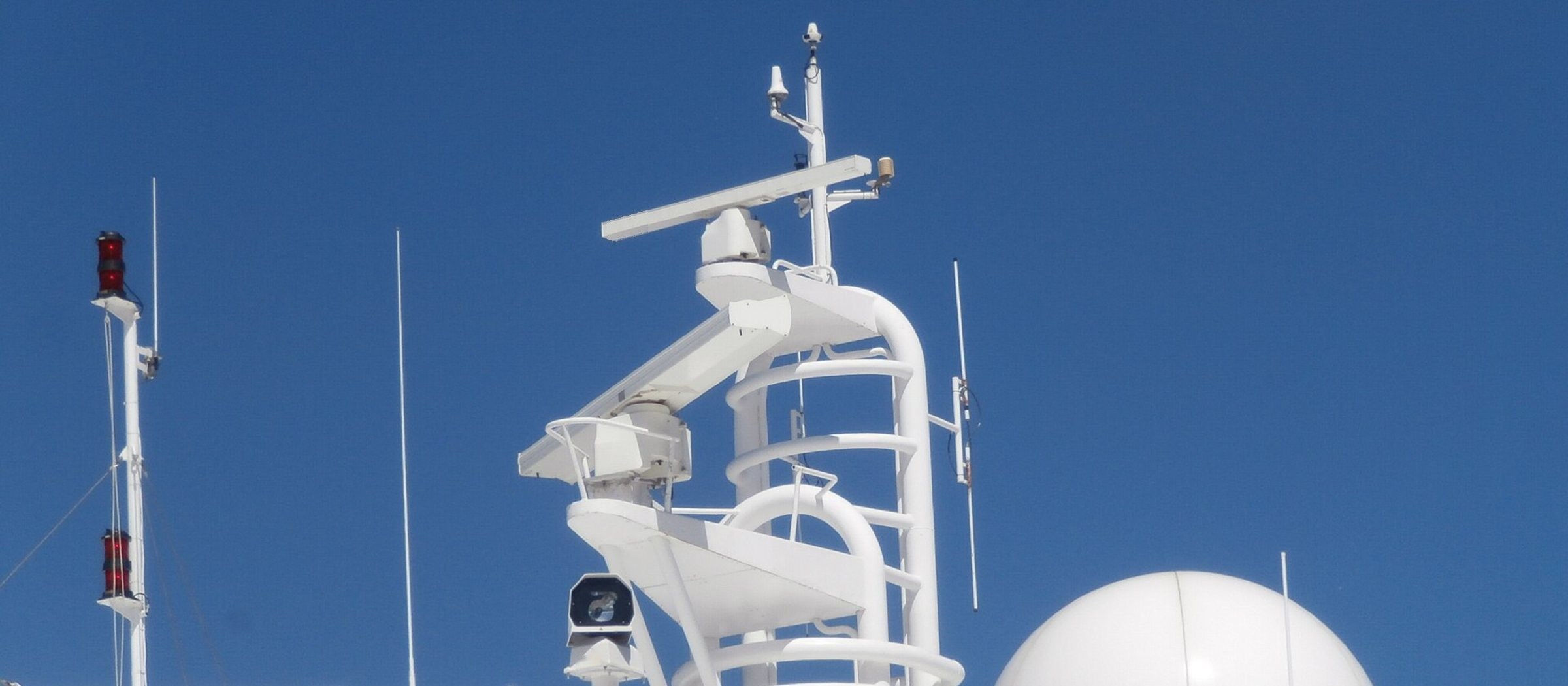
See and manage every movement, in any weather, one traffic image, shared by pilots, tugs and port security, and VTS radar, AIS, CCTV and VHF, fused and recorded
Vessel traffic management, ship-shore communications and shore power. Financed and operated by Aatash, if the port chooses.
The questions that matter
Where is every vessel right now, including the ones that are not transmitting?
Which of them will share the same water in ten minutes?
Who needs to be told, and can I reach them?
Ships are larger, channels busier and turnaround windows tighter. A lookout and a radio no longer cover the harbour master's duty. He needs a real-time picture of everything moving through his waters, at any hour and in any weather.
Maritime Priorities
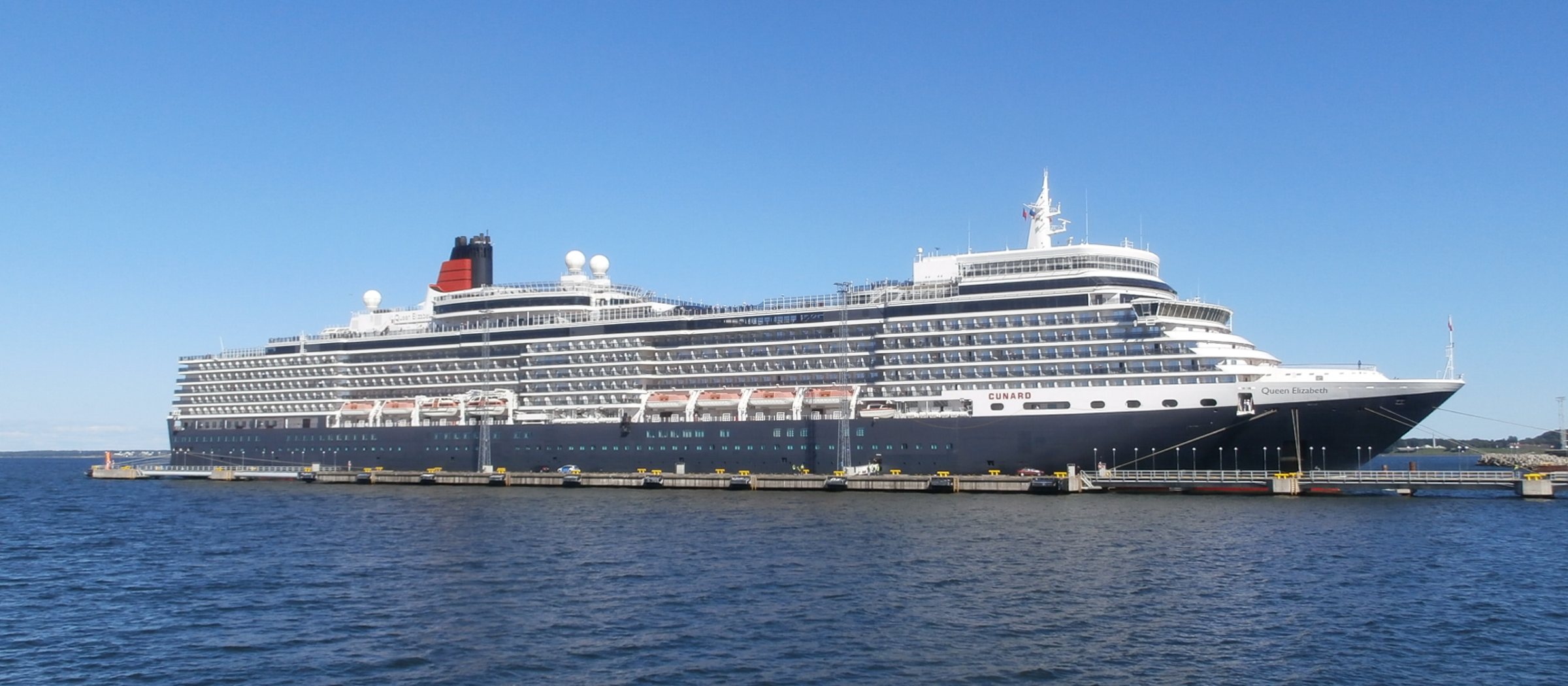
Small craft and the largest ships share congested approaches and narrow channels.
Time at anchorage, idle pilots and tugs, and berth delays cost the port and its users.
Unidentified craft, restricted zones, and the duty to deliver vessel traffic services to IALA and national standards.
Exhaust, noise and vibration from ships alongside.
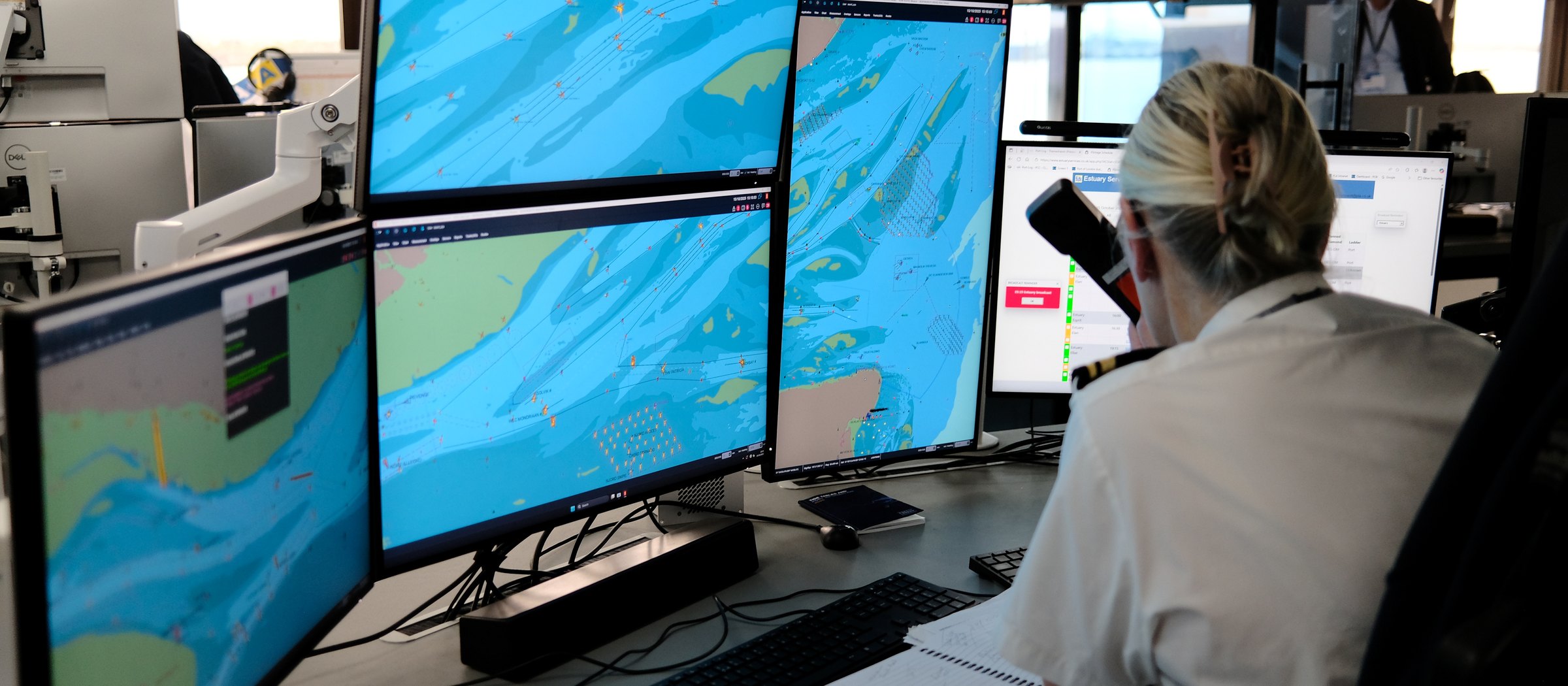
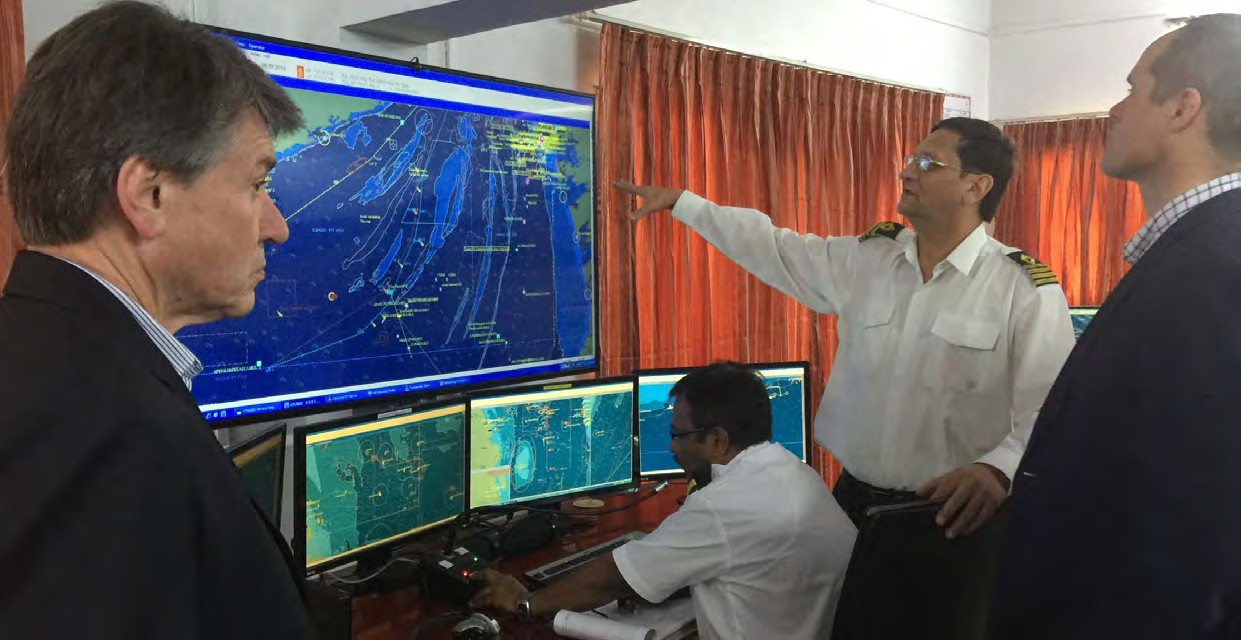
We begin on the harbour master's watch: the traffic, the channel, the risks. That defines what the system must see and how early. The architecture follows. A Vessel Traffic Management System fuses radar, AIS, CCTV and VHF into a single traffic image. Communication and data links keep ship and shore connected. Shore-to-ship power lets vessels shut down at berth. Through Aatash Norcontrol, our joint venture with Kongsberg Norcontrol, we also finance, build, operate and maintain the complete service on a BOOT basis. The port gains the capability without carrying the project. A briefing at the traffic display, Gulf of Khambhat VTS.
Case · Proof
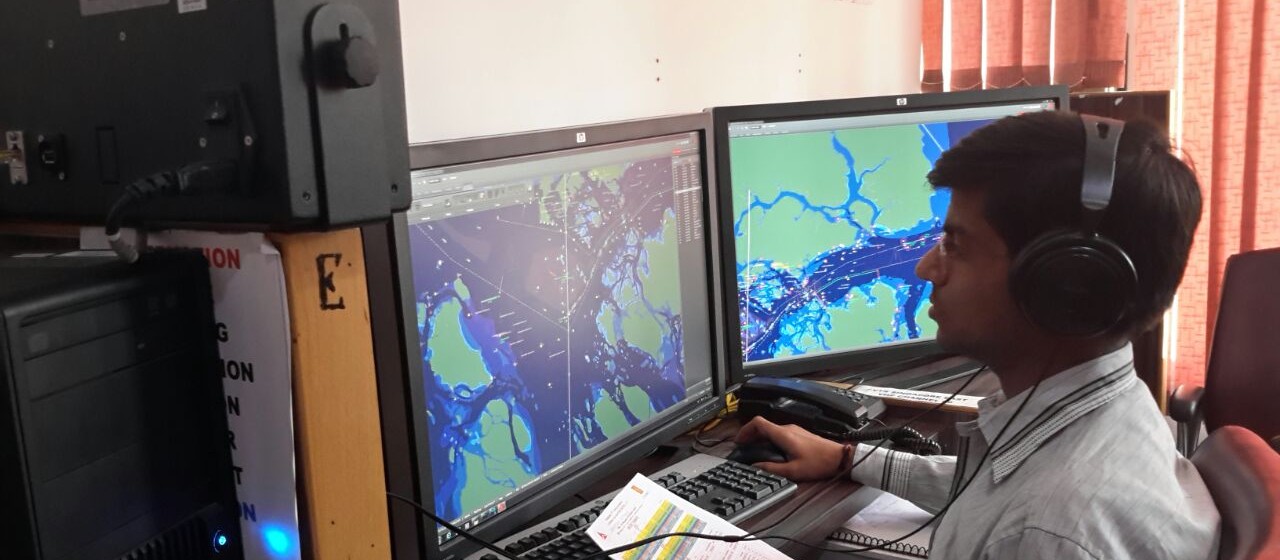
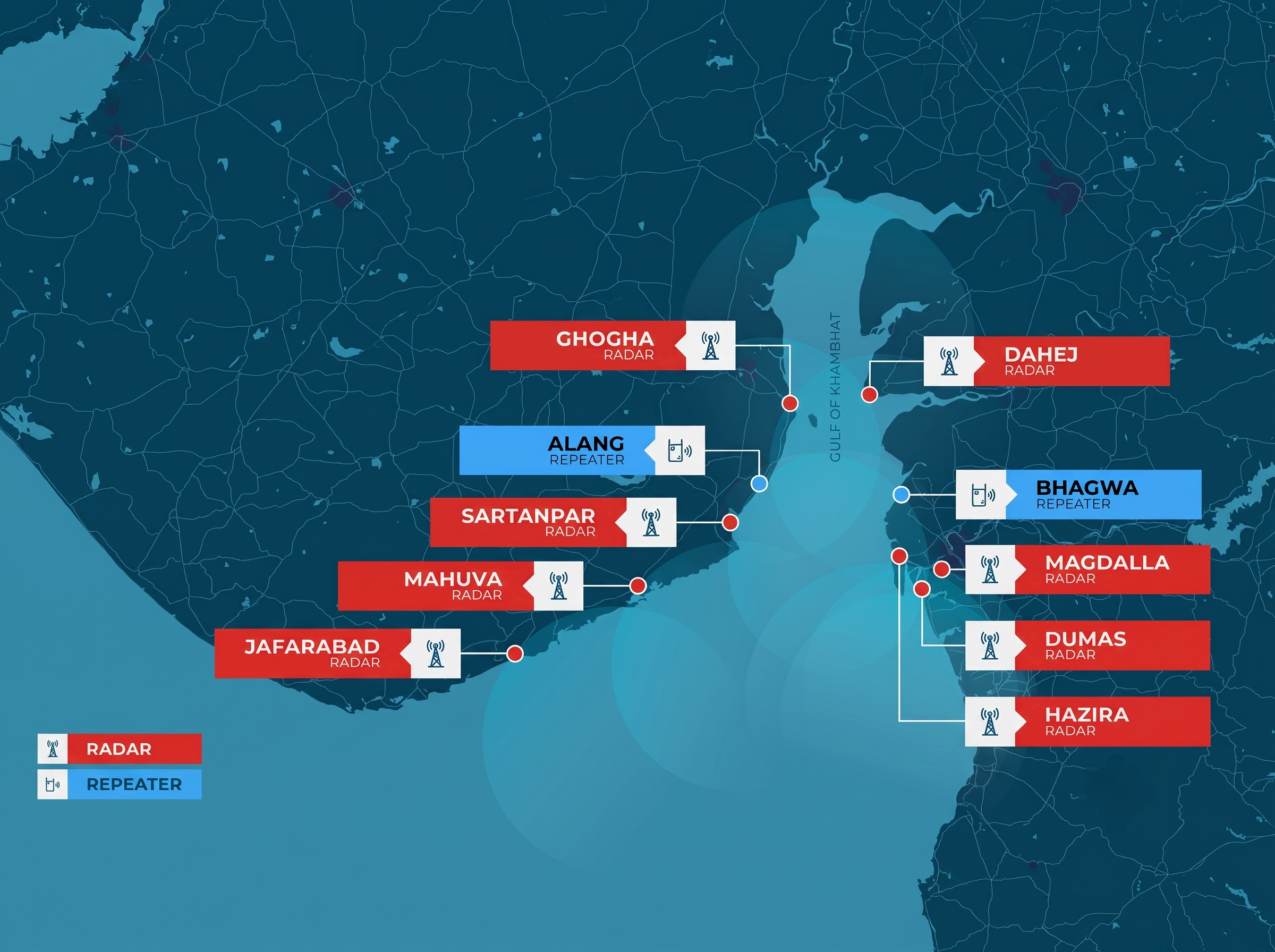
Aatash Norcontrol commissioned the Gulf of Khambhat's VTS, with technology from Kongsberg, Norway, under a 30-year BOOT agreement with Gujarat Maritime Board. Operations began on 1 September 2010 and continue 24/7.
Integrating radar, AIS, communications and port management, the system was upgraded to Kongsberg's C-Scope platform in 2018. It serves six ports across the Gulf.
What Aatash offers