Give the river the discipline of the sea.
Traffic, fairway and terminal information for a river that cargo can rely on.
Why · How · What
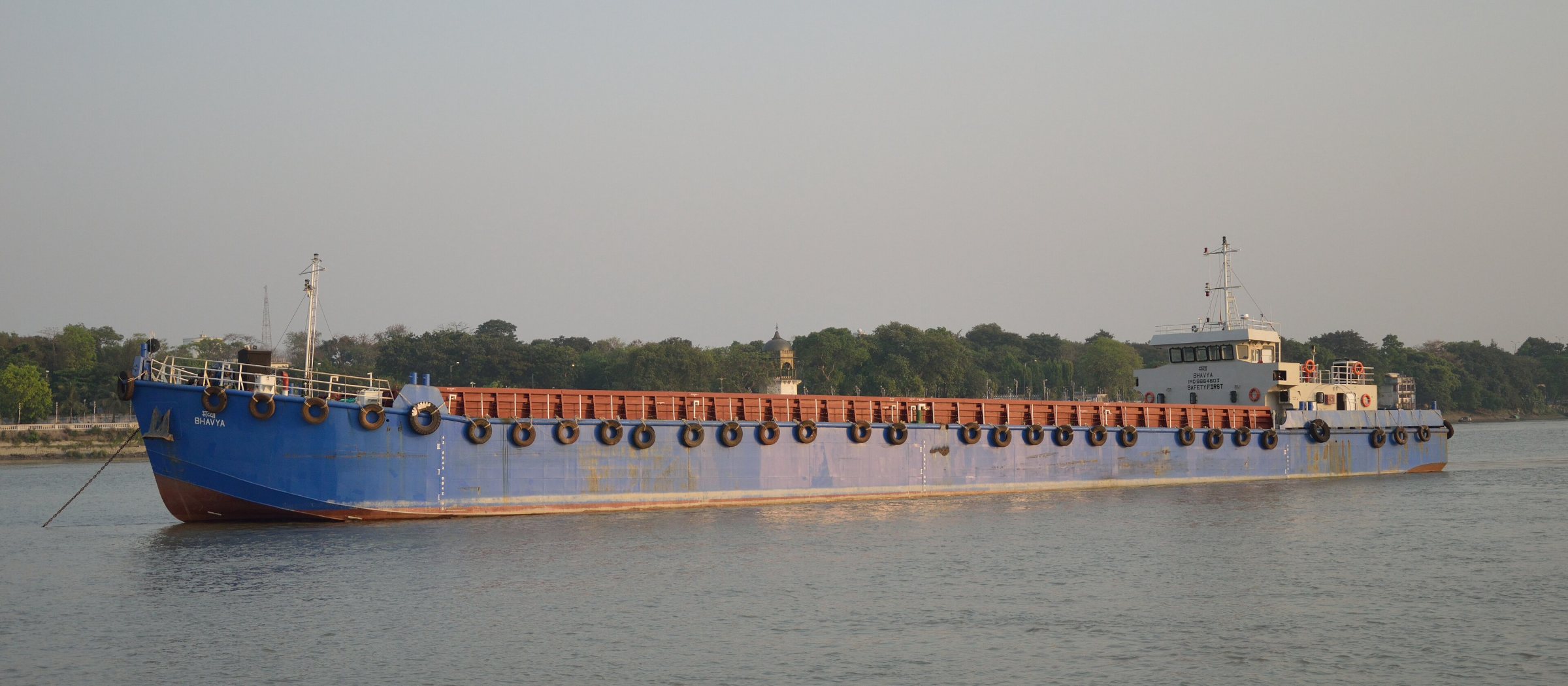
Cargo moves to water only when the river can be trusted.
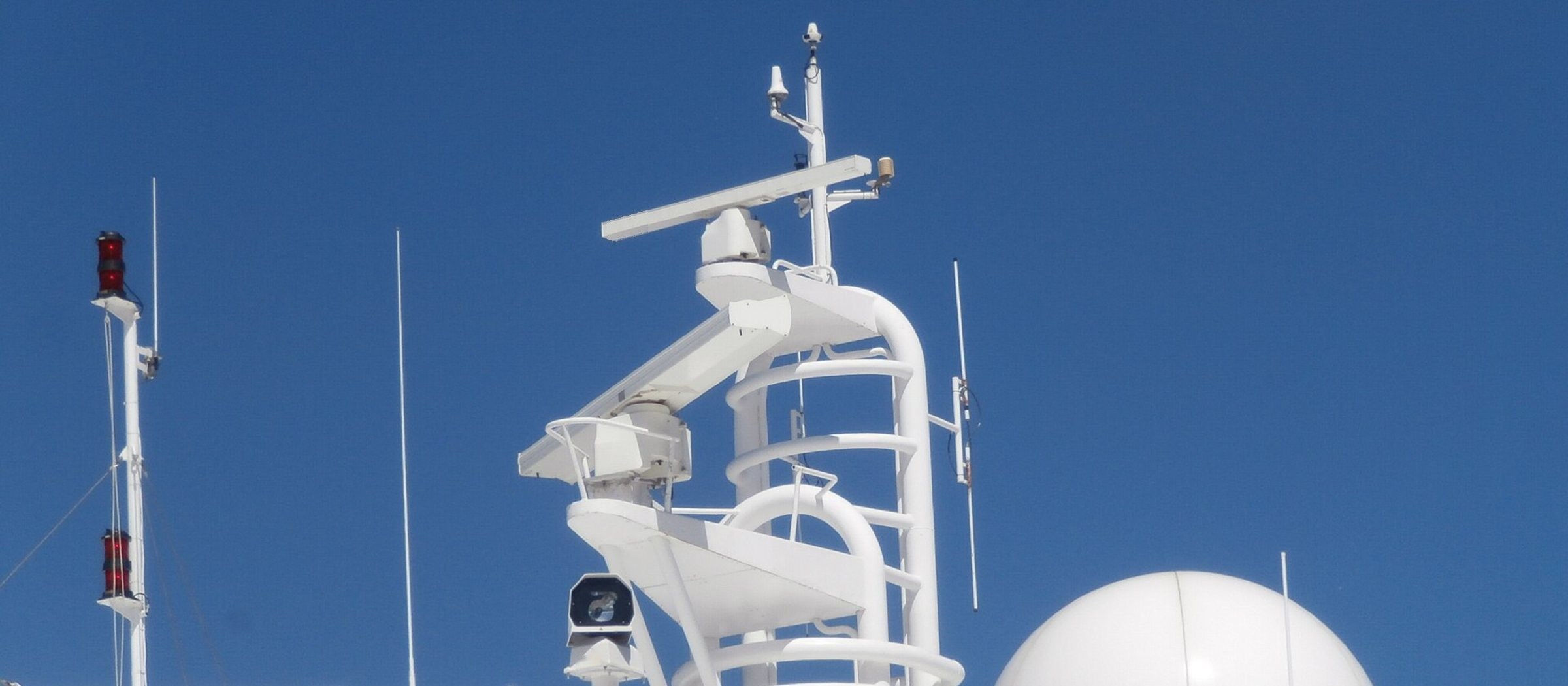
Know every vessel and the state of the fairway, daily, the waterway as one managed corridor, shared by authority and skipper, and river radar, inland AIS, water-level sensors and electronic charts
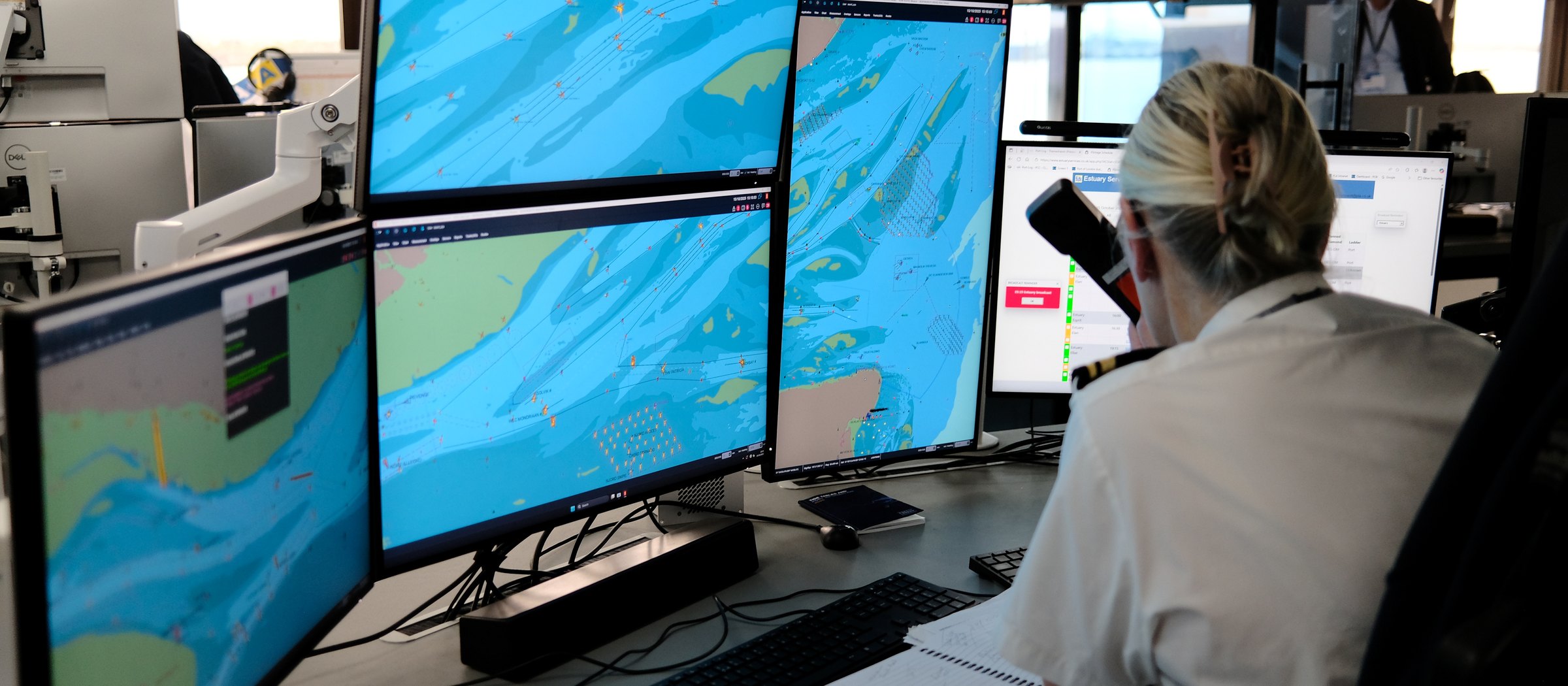
River Information Services with lock and bridge management, radar and AIS tracking, and the communications that tie them together.
The questions that matter
Who is on the river, and where?
What has the fairway done since yesterday?
Can every skipper see the picture I see?
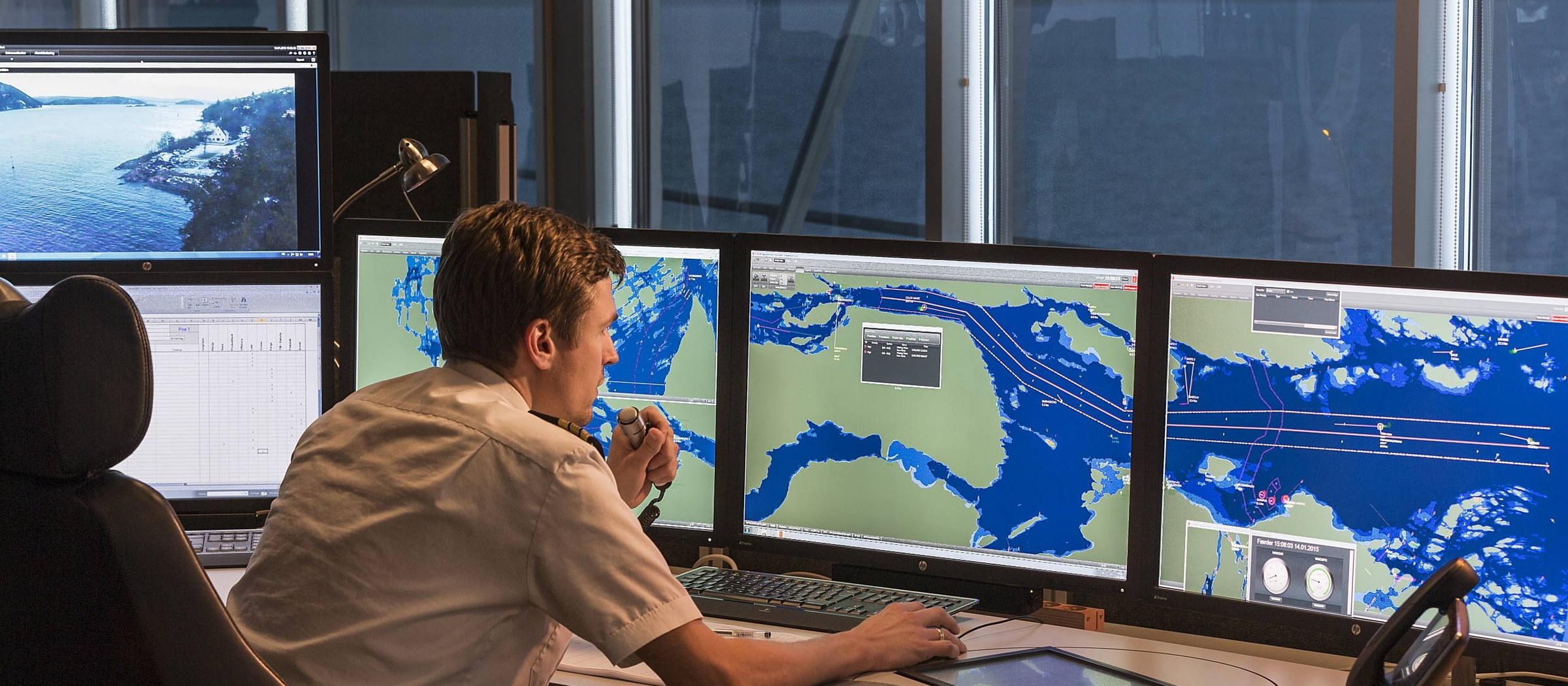
Rivers are harder to manage than open water. Channels shift, depth changes with the season, and bends and bridges hide traffic. In rain, fog and darkness, radar is the only dependable surveillance. River authorities must know where every vessel is and what the fairway is doing.
We treat the waterway as a managed corridor, not a line of separate sites. The architecture puts traffic, fairway and terminals in one view. It runs on the same platform, and with the same operating discipline, as our port VTS.
Case · Proof
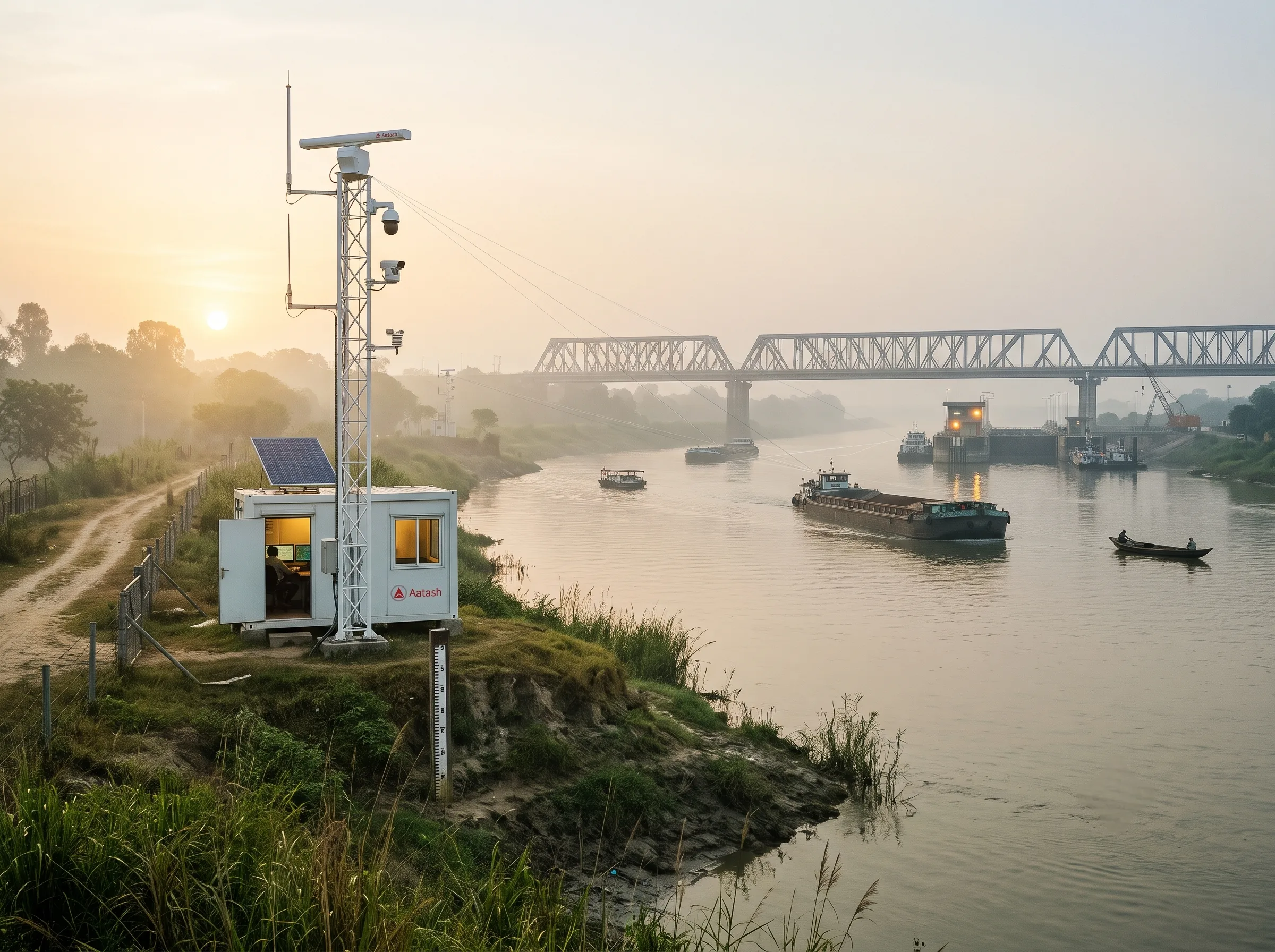
Aatash delivers River Information Services on the Kongsberg Norcontrol platform it has operated in the Gulf of Khambhat since 2010. The RIS adds lock and bridge modules, ship-shore data exchange, ETA and required-time-of-arrival planning, and recording and replay.
River Information Services delivered for the Inland Waterways Authority of India on National Waterway-1 (2024), bringing VTS principles to inland waterways. Aatash holds the comprehensive annual maintenance contract for the RIS stations of Phases I and III on National Waterway 1. Aatash Norcontrol also maintains the Vessel Traffic Service in the Gulf of Kutch for the Directorate General of Lighthouses and Lightships, under a comprehensive maintenance contract held since 2012.
Waterway Priorities
Collisions, groundings and bridge strikes in confined, fast-changing channels.
Shippers move cargo to water only when transit times are predictable.
Locks, terminals, pilots and several agencies need the same information at the same time.
The authority needs a record of who moved what, where and when.
What Aatash offers