Security is fundamentally a problem of distance, uncertainty and response time.
Earlier warning, fewer false alarms and one picture across land, water and air.
Why · How · What
Incidents rarely fail for want of a sensor. They fail because early signals were not connected in time.
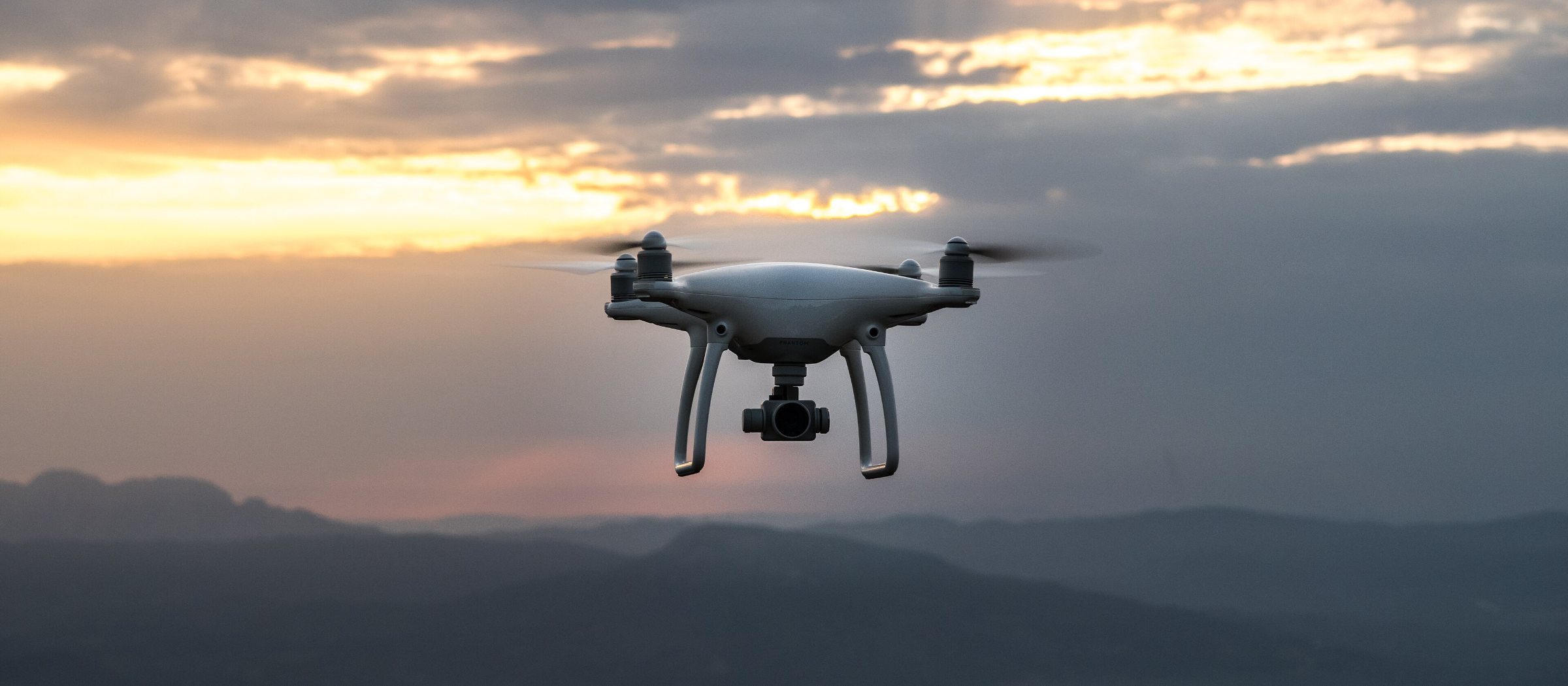
Warning time set by the asset's risk, not by a catalogue, every sensor, old and new, in one command-and-control picture, and wide-area radar, cued cameras and counter-UAS
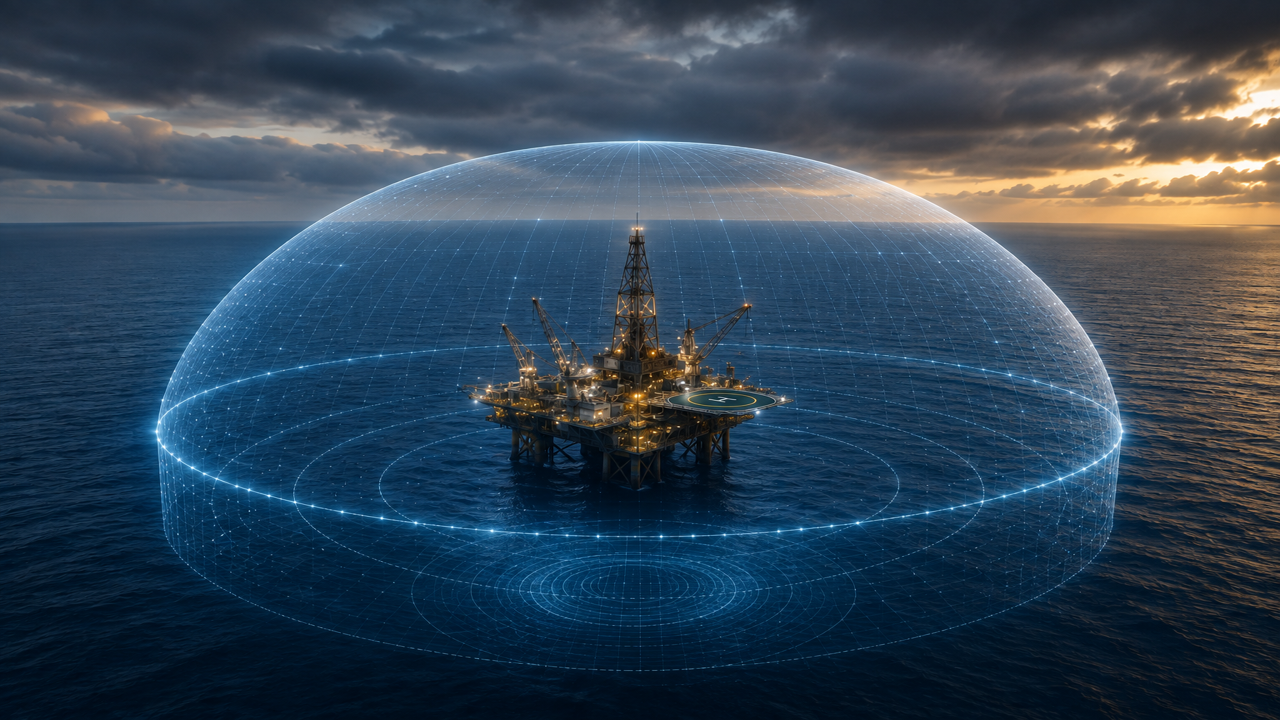
Radar-led intrusion detection, counter-UAS and command-and-control in one operational picture.
The questions that matter
Which alarm is real?
What is happening beyond the fence line, before anyone reaches it?
Can one operator see land, water and air together?
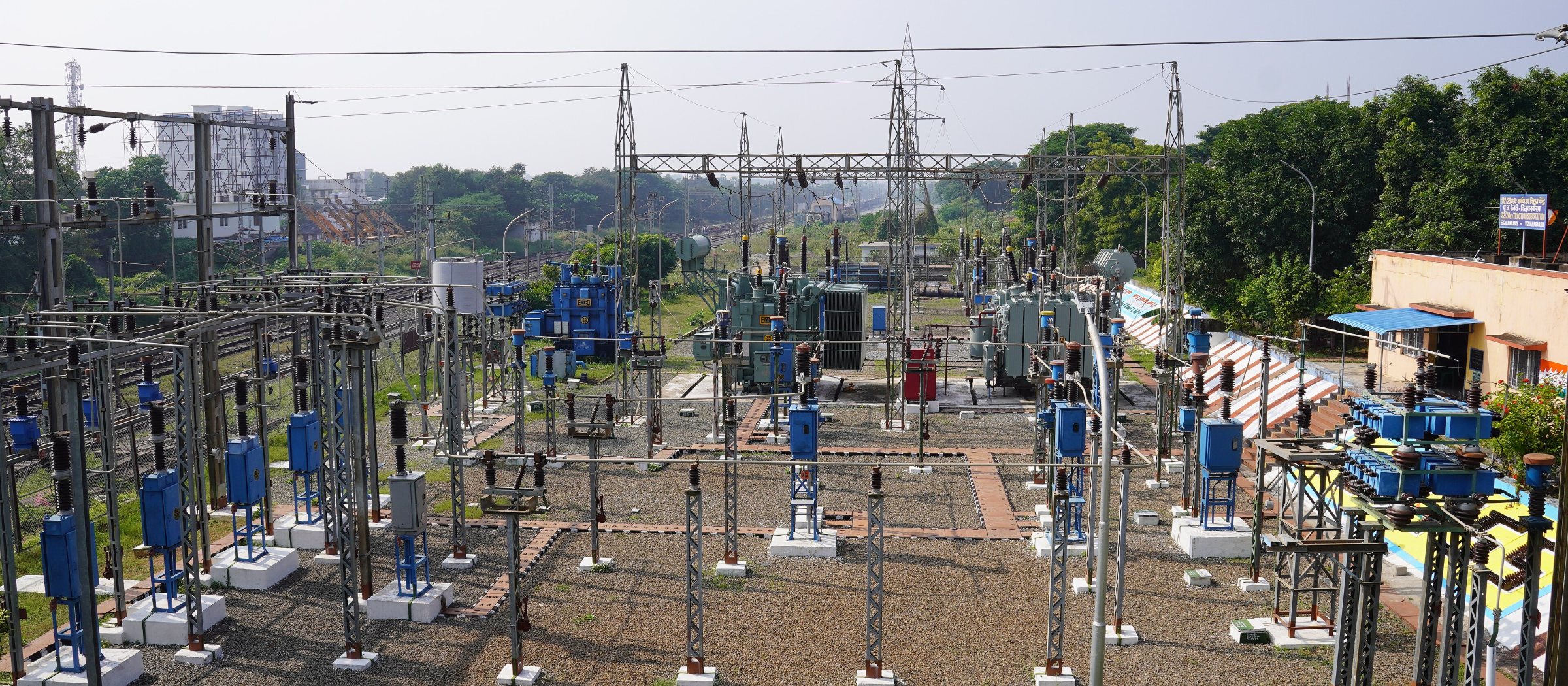
Ports, refineries, power plants, airports and government sites share a problem: long perimeters, and approaches by land, water and air. The security team watches dozens of screens that do not talk to each other. Most sites already own good systems. The gap is between them.
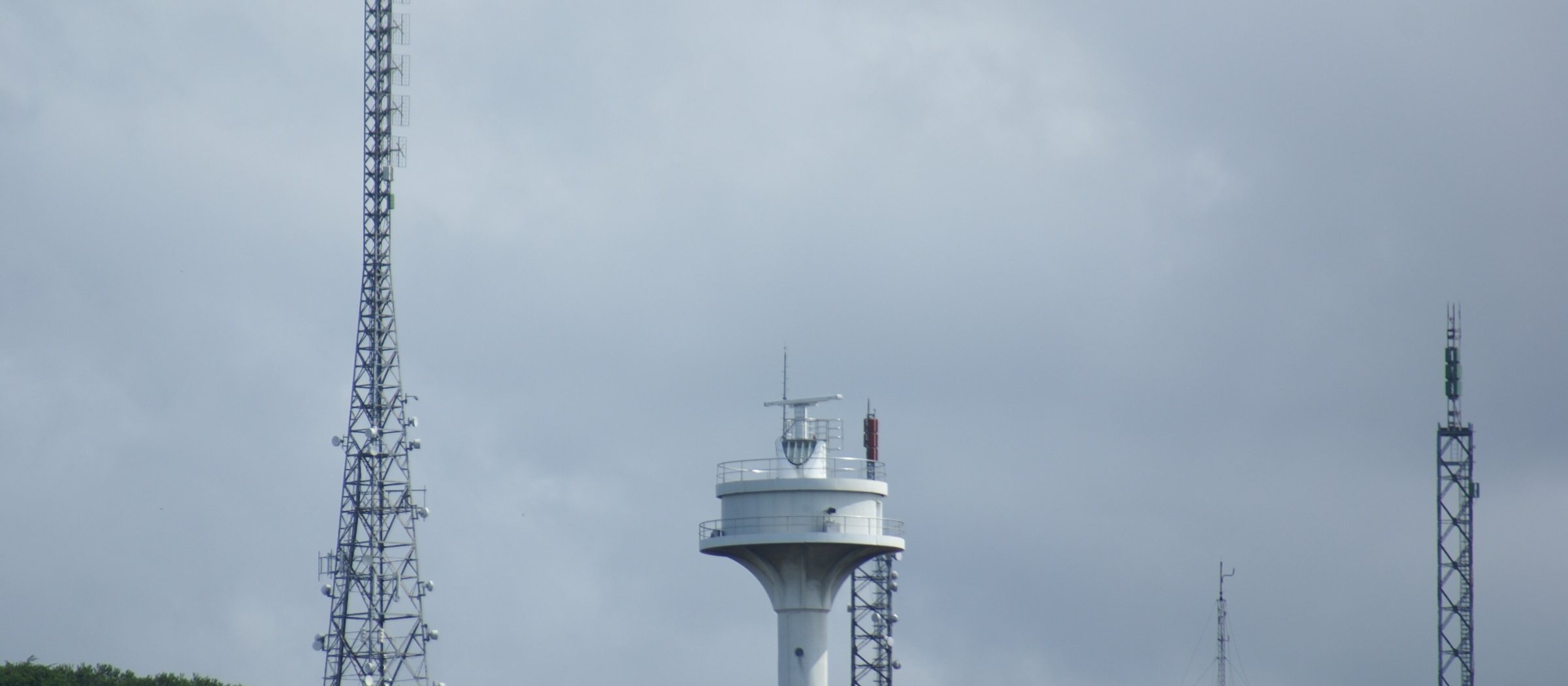
Aatash builds layered, radar-led protection around the site. Wide-area radar detects movement well beyond the boundary. Cameras are cued automatically. Every sensor reports into one command-and-control picture. The operator gets fewer alarms, and better ones. Not every site needs the same architecture. Investment should follow risk and consequence, so we tier the protection to the asset.
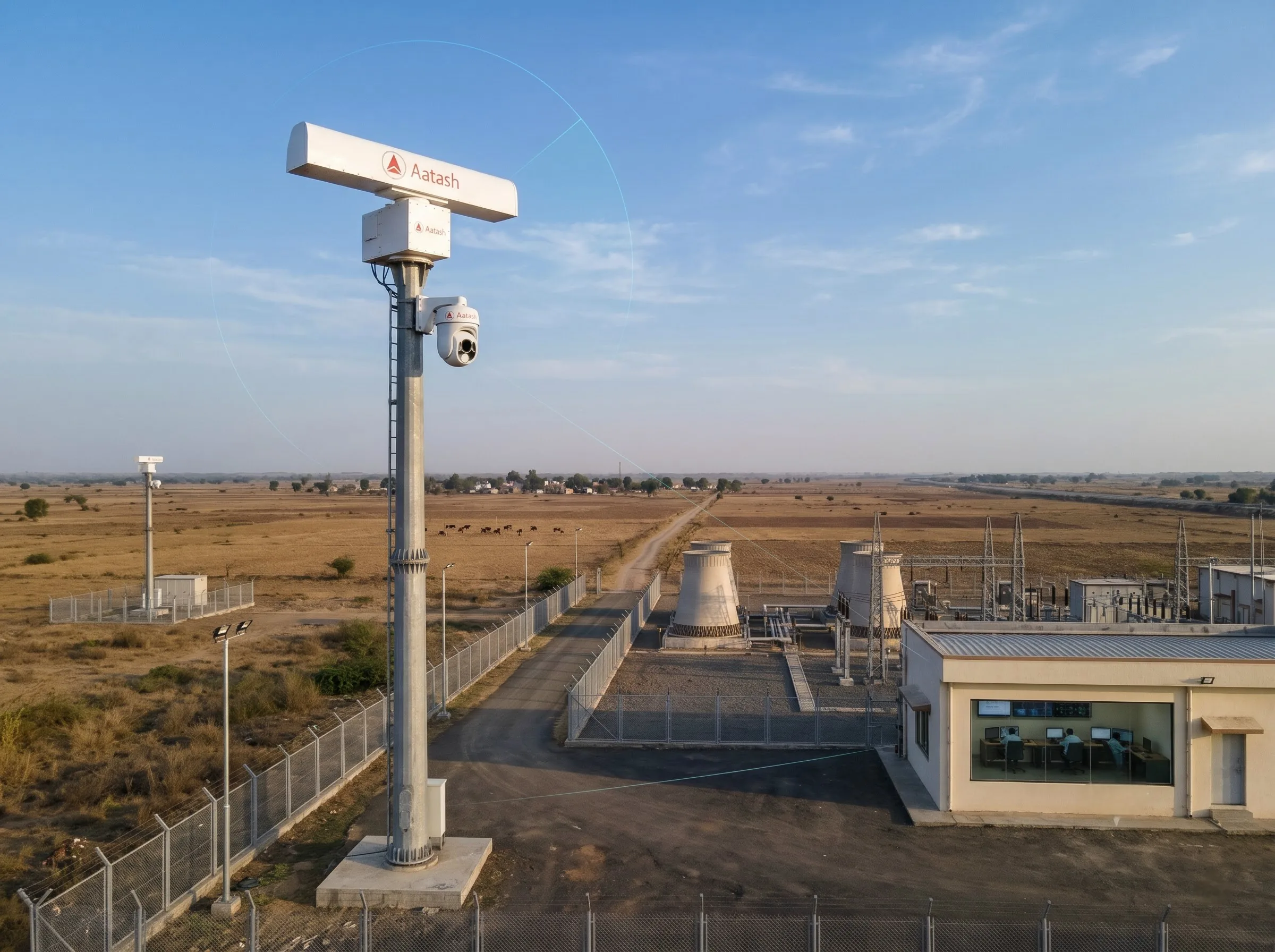
Design principles
The question is not whether an asset can be watched. It is whether it can be protected with enough time, certainty and context to respond.
Aatash starts with the asset, the threat and the response concept, before any sensor is chosen. Each layer must answer a small set of operational questions: what can be detected, can it be classified, and how long before it reaches the protected zone. The output of a layer is not a detection. It is usable information for the next decision.
Aatash works with global technology partners and integrates their sensors into that one picture. The objective is not maximum capability. It is the right capability for the site.
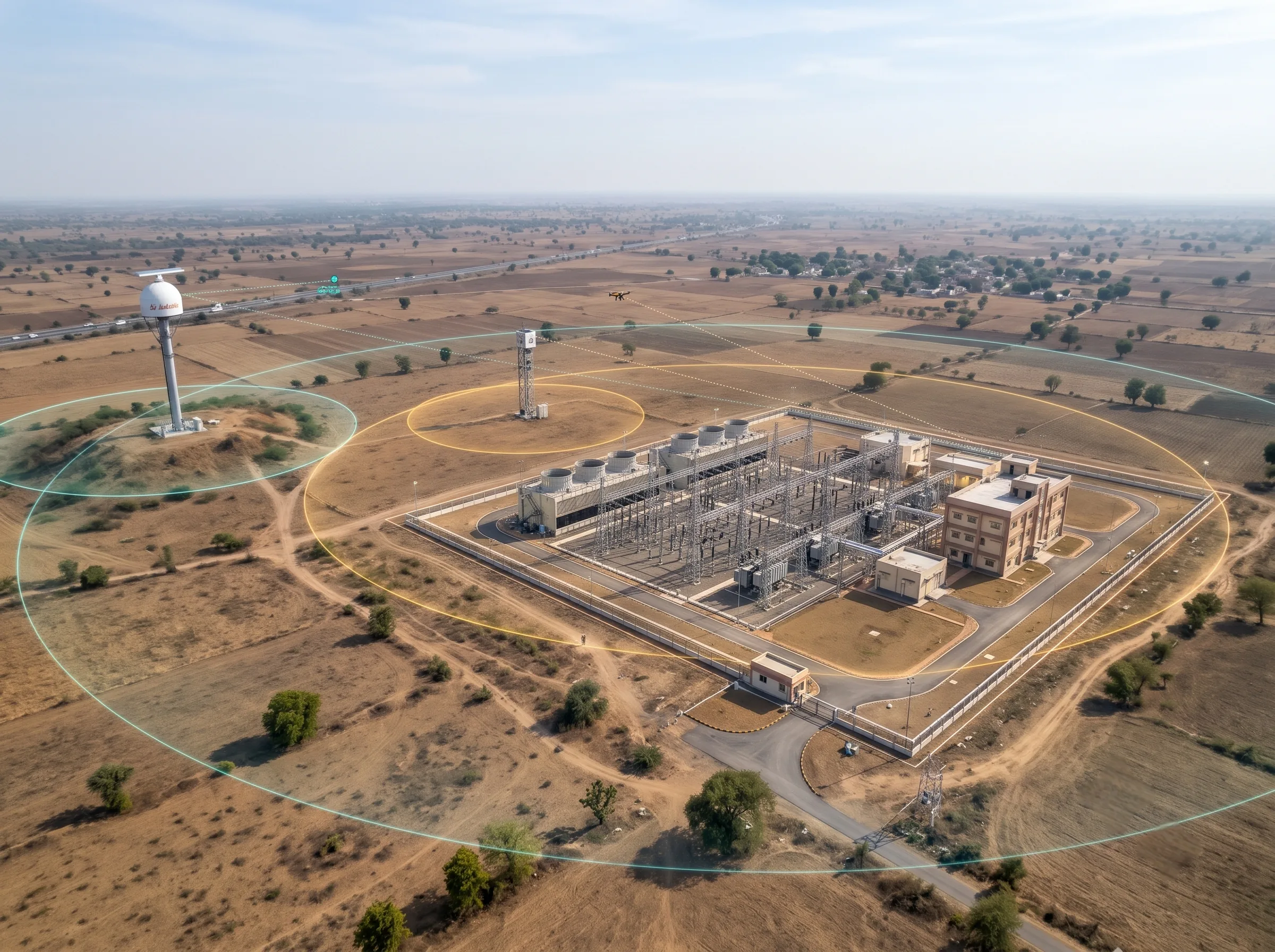
Security Priorities
Detection at the fence leaves seconds; detection at distance leaves minutes.
Nuisance alarms wear operators down until real events are missed.
Land, waterfront and airspace are usually guarded by separate systems.
Sites already own cameras, access control and sensors that must keep working.
What Aatash offers